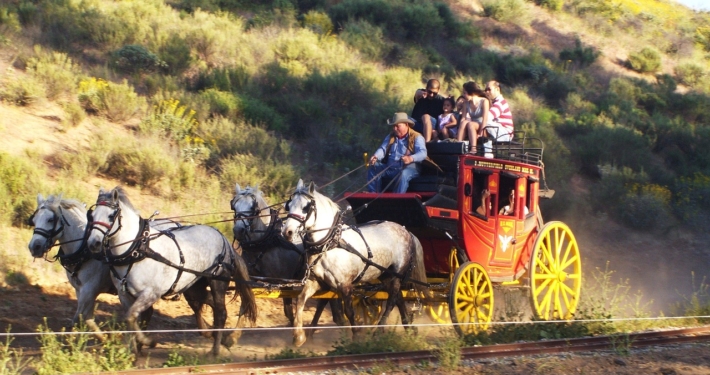
THE CROSSROADS OF THE FRONTIER
Lusk, Wyoming, occupies a unique place on the American landscape.
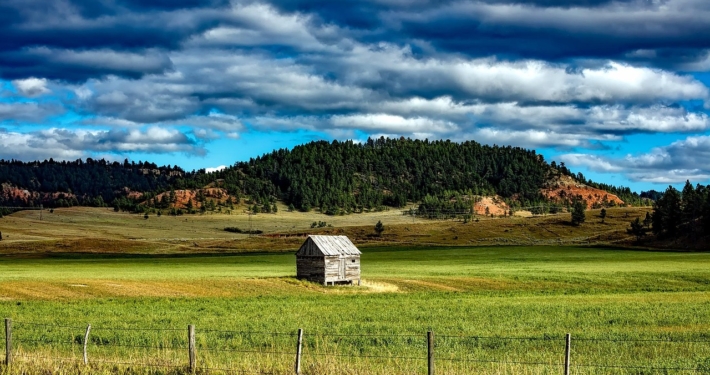
Lusk, Wyoming, occupies a unique place on the American landscape. Situated at the northern edge of the High Plains where U.S. Highways 85 and 20 intersect, this high-desert territory has served as a critical geographic junction for centuries. Long before asphalt and steel, it was a vital hunting ground for the Sioux, Cheyenne, and Arapaho, and later, a crucial pathway connecting Fort Laramie to the gold fields of the Black Hills.
Today, Lusk stands as the county seat of Niobrara County—the least populated county in the least populated state in the nation. It remains a true Western crossroads, an atmospheric stopping point for modern travelers charting a course between Mount Rushmore, Devil’s Tower, and Yellowstone. To step into Lusk is to step into a place where the horizon opens wide, and the modern world slows down to match the rhythm of the earth.
THE SILVER CLIFF HOTEL
A Century of Sanctuary Standing resolutely within this historic footprint, our doors open to a living piece of Wyoming’s endurance.
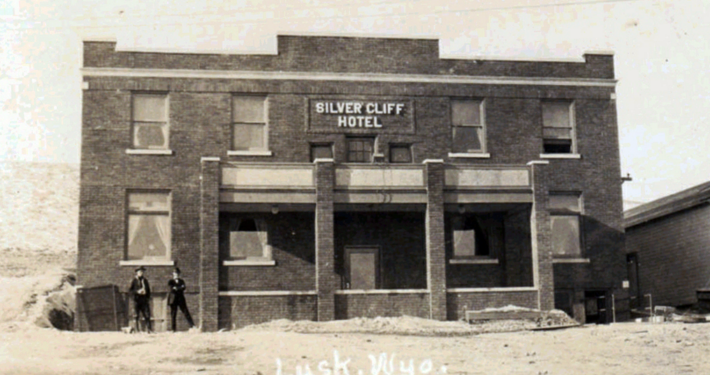
Built in an era of rugged ambition, the hotel is anchored in the grit of the original frontier. Just a half-mile west of our location once sat the chaotic, short-lived mining tent town of Silver Cliff. When the railroad advanced in 1886, the town shifted east, laying the foundations for Lusk.
The hotel stands as a monument to that transition—a physical bridge between the lawless mining camps of the late 19th century and the permanent ranching community that grew from the prairie. With its deep-set architectural weight and industrial-strength heritage, the property offers guests more than a room; it provides an authentic, atmospheric sanctuary steeped in the spirits of the pioneers, rail workers, and cattlemen who carved a life out of the wilderness.
THE WAY OF LIFE & SURROUNDING INDUSTRIES
Life in Niobrara County is defined by space, silence, and an uncompromising connection to the land.
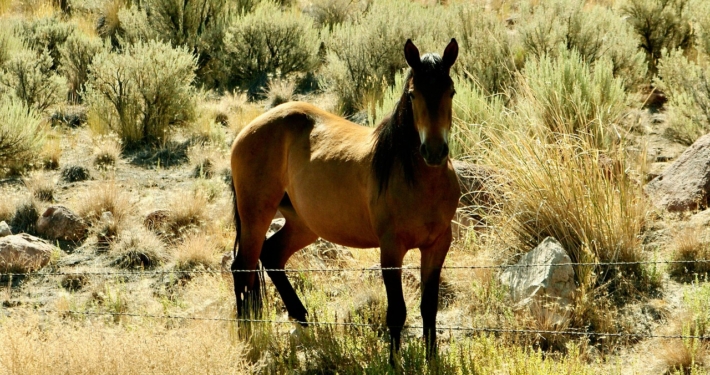
With a population density of less than one person per square mile, this is a territory where independence and community rely on one another.
Cattle Ranching & Agriculture: The bedrock of the local economy remains large-scale cattle ranching. The lush, untamed grasses of the high plains have sustained livestock operations since pioneer Frank Lusk first established his herds here in the 1880s, following the historic Great Western Cattle Trail.
Energy & Earth: The surrounding landscape is a working environment, shaped by a history of oil refining, regional mining, and modern energy infrastructure that dots the wide-open plains.
The High Plains Landscape: Lusk is surrounded by geological marvels, from the rugged topography of the Hat Creek Breaks to the vast, open expanses of the Silver Sage plains. It is a place where neighbors depend on neighbors, resilience is a daily practice, and the Western heritage is not an attraction—it is the local reality.
GHOSTS AND THE LEGENDS OF THE HIGH PLAINS
The soil here is thick with folklore, where the line between historical fact and frontier myth blurs into epic storytelling. The wind through the breaks still carries the names of the legendary figures who passed through, fought, or met their end along these trails.
THE LEGEND OF RAWHIDE
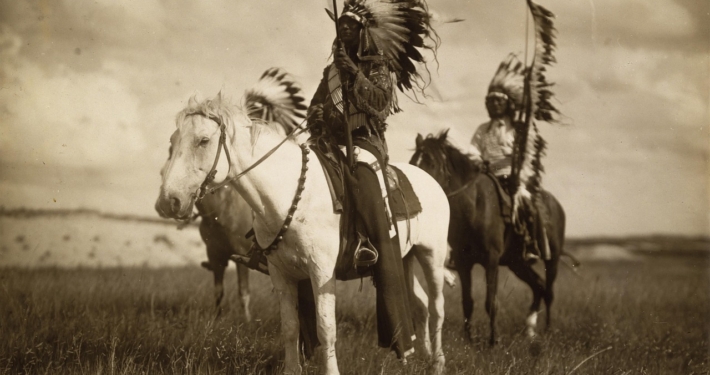
Rising southwest of town are the granite peaks of the Rawhide Buttes, home to one of the West’s most enduring and harrowing cautionary tales. As the lore goes, during the 1849 California Gold Rush, a reckless young man on a wagon train vowed to shoot the first Native American he saw. He fulfilled his cruel boast by killing a defenseless Sioux woman.
Enraged, the tribe surrounded the emigrant train, demanding the culprit be turned over to face justice or the entire company would be annihilated. The young man was surrendered. Near the foot of the buttes, he was tied to the ground and skinned alive—a stark, brutal frontier morality tale of actions and severe consequences. Today, this dark piece of lore is preserved by the community in the famous, long-running Legend of Rawhide live pageant.
WILD BILL HICKOK & BUFFALO BILL CODY
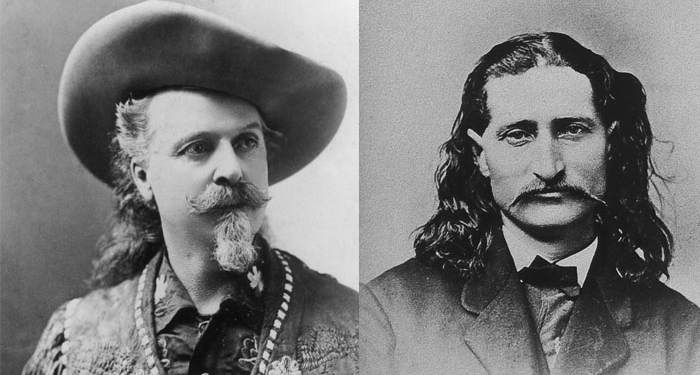
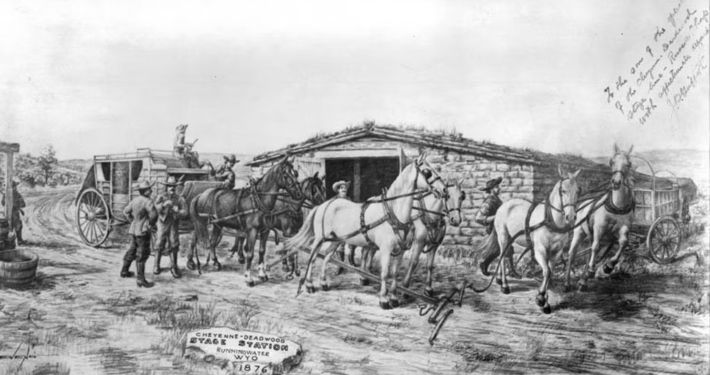
Lusk sits directly on the path of the infamous Cheyenne to Black Hills Stage and Express Line. Between 1876 and 1887, this 300-mile route hauled fortunes in gold dust, supplies, and desperate characters. Legendary gunslingers like James Butler “Wild Bill” Hickok and William F. “Buffalo Bill” Cody traveled these trail stops during the gold rush era, moving through nearby Hat Creek Station just thirteen miles north of town. The route was notoriously dangerous, plagued by road agents and outlaws looking to ambush unguarded stages in the isolated draws. William F. “Buffalo Bill” Cody (left photo) and James Butler “Wild Bill” Hickok (right photo) , the two Bills.
MOTHER FEATHERLEGS
Just south of Lusk lies one of the most unique historical markers in the United States—the grave of “Mother Featherlegs.” In the late 1870s, Charlotte Shepard opened a rugged dugout roadhouse along the stage route near Rawhide Buttes. A colorful madam associated with various outlaws and confederate bandits, she earned her moniker because her ruffled, wind-blown pantalettes gave her the appearance of a “feather-legged chicken in a high wind.” Her colorful life cut short in 1879 when she was murdered and robbed by her associate, “Dangerous Dick Davis the Terrapin.” She remains a permanent fixture of local frontier lore.
WELCOME TO THE HIGH COUNTRY
Whether you are tracing your lineage across the old pioneer trails, exploring the raw geology of the high desert, or seeking a quiet, heavy-timbered refuge from the noise of modern life, Lusk is your destination.
DISCOVER THE FRONTIER TODAY!